Future of Social Media Marketing

Social media marketing has become one of the most powerful tools for businesses to connect with their audience, promote products, and build strong brand identities. Over the past decade, social media platforms have changed how people communicate, shop, and consume information. As technology continues to evolve, social media marketing is also transforming rapidly. Businesses that understand upcoming trends and adapt to new strategies will stay competitive and successful in the digital world. The future of social media marketing promises to be more personalized, technology-driven, and customer-focused.

Continue reading

How Social Media Marketing Helps Increase Sales

In the modern digital era, social media has become a powerful platform that influences how people communicate, learn, and shop. Businesses are no longer limited to traditional marketing methods such as television, newspapers, or billboards. Instead, companies are increasingly using social media marketing to connect with customers, build relationships, and most importantly, increase sales. Social media marketing is not only about posting content or gaining followers; it is a strategic approach that helps businesses reach potential customers and encourage them to make purchasing decisions.

Expanding Brand Visibility

One of the biggest ways social media marketing helps increase sales is by improving brand visibility. Social media platforms allow businesses to showcase their products and services to a large audience. Every post, video, or story creates an opportunity for customers to discover a brand. When people repeatedly see a brand online, they become more familiar with it. This familiarity builds trust, and customers are more likely to purchase products from brands they recognize and trust.

Consistent social media presence ensures that businesses stay connected with their audience. The more visible a brand becomes, the higher the chances of attracting potential buyers and increasing sales opportunities.

Building Strong Customer Relationships

Social media allows businesses to communicate directly with their customers. Unlike traditional marketing, where communication is mostly one-sided, social media encourages two-way interaction. Customers can ask questions, share feedback, and express their opinions through comments, messages, and reviews.

When businesses respond quickly and professionally, it builds customer trust and satisfaction. Customers feel valued when brands listen to their concerns and provide helpful responses. Strong customer relationships often lead to repeat purchases and long-term loyalty, which significantly contributes to sales growth.

Targeting the Right Audience

One of the most effective advantages of social media marketing is its ability to target specific audiences. Businesses can reach customers based on their interests, behavior, age, location, and preferences. This ensures that marketing messages are shown to people who are more likely to be interested in the product or service.

Targeted marketing reduces wasted effort and increases the chances of converting viewers into customers. When businesses promote products to the right audience, sales performance improves because the message reaches people who are already interested in similar products or services.

Showcasing Products Through Engaging Content

Social media platforms provide various content formats such as images, videos, live sessions, and stories. These content formats allow businesses to present their products creatively and attractively. High-quality visuals and demonstration videos help customers understand how a product works and how it can benefit them.

Engaging content captures attention and encourages users to explore products further. Product demonstrations, customer testimonials, and behind-the-scenes content help build confidence in the brand. When customers clearly understand the value of a product, they are more likely to make a purchase.

Encouraging Customer Trust Through Reviews and Testimonials

Customer reviews and testimonials play an important role in influencing buying decisions. Social media allows customers to share their experiences openly. Positive reviews and user-generated content act as social proof, showing potential buyers that other customers have already trusted the brand.

People often rely on the opinions of other customers before making a purchase. When businesses share genuine customer feedback and success stories, it increases brand credibility and encourages new customers to buy products with confidence.

Driving Website Traffic and Sales Conversions

Social media marketing helps direct customers to business websites, online stores, or product pages. Businesses can share links in posts, advertisements, and profiles that lead users directly to purchasing platforms. Increased website traffic improves the chances of generating sales because more visitors mean more potential buyers.

Additionally, social media campaigns can promote limited-time offers, discounts, or product launches. These promotional strategies create urgency and motivate customers to make faster purchasing decisions.

Supporting Paid Advertising for Faster Results

Social media platforms offer paid advertising options that allow businesses to promote their products to highly targeted audiences. Paid advertisements can reach thousands or even millions of potential customers within a short period.

Businesses can control advertising budgets and measure campaign performance through analytics. This allows marketers to adjust their strategies based on real-time data, improving campaign effectiveness and increasing sales results.

Strengthening Brand Authority

Regular posting of valuable and informative content helps businesses establish authority in their industry. When brands share useful tips, educational content, and industry insights, customers start viewing them as reliable sources of information. Strong brand authority increases customer confidence and encourages them to choose that brand over competitors.

Authority also helps businesses build long-term customer relationships, which leads to consistent and sustainable sales growth.

Increasing Customer Engagement and Loyalty

Social media marketing encourages audience engagement through interactive content such as polls, quizzes, contests, and giveaways. These activities create excitement and encourage customers to interact with the brand. Higher engagement increases brand recall and emotional connection.

Loyal customers often recommend products to friends and family, which further increases sales through word-of-mouth marketing. Loyal audiences also tend to make repeated purchases, providing stable revenue for businesses.

Conclusion

Social media marketing has become a powerful tool for increasing sales in the digital age. It helps businesses expand brand visibility, build strong customer relationships, target the right audience, and showcase products effectively. By encouraging customer trust, driving website traffic, and supporting paid advertising, social media marketing creates multiple opportunities for sales growth.

When businesses use social media strategically and consistently, they not only increase their sales but also build lasting relationships with customers. In today’s competitive digital environment, social media marketing is no longer optional. It has become an essential strategy for businesses that want to grow, succeed, and stay connected with their audience.

Continue reading

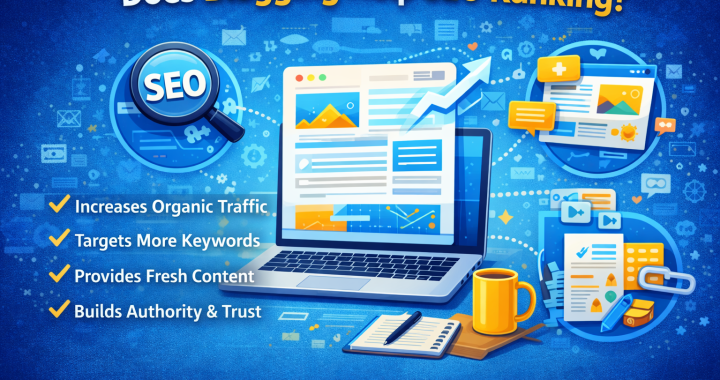
Does Blogging Help SEO Ranking?

In today’s digital world, every business, brand, and content creator wants to appear on the first page of search engine results. Higher visibility means more visitors, better brand awareness, and increased opportunities for growth. Among the many strategies used to improve search engine ranking, blogging is often considered one of the most effective and long-term solutions. But a common question many people ask is: Does blogging really help SEO ranking? The simple answer is yes. Blogging plays a major role in improving website visibility, building authority, and attracting organic traffic when done correctly.

Understanding the Connection Between Blogging and SEO

Search Engine Optimization (SEO) focuses on improving a website’s visibility in search engine results. Blogging supports SEO by providing fresh, relevant, and valuable content that search engines prefer. Search engines aim to deliver useful and updated information to users. Websites that regularly publish informative blog content naturally gain better attention from search algorithms.

Continue reading

Can Digital Marketing Be Done from Home?

Digital marketing has transformed the way businesses promote their products and services. With the rapid growth of internet usage, online platforms have become the primary medium for communication, marketing, and customer engagement. One of the biggest advantages of digital marketing is its flexibility, allowing professionals and businesses to operate from virtually anywhere. A common question among beginners and job seekers is whether digital marketing can be successfully performed from home. The answer is yes. Digital marketing is one of the most suitable career and business options that can be managed effectively from home with the right skills, tools, and discipline.

Understanding Digital Marketing

Digital marketing refers to promoting products, services, or brands through online channels such as websites, search engines, social media platforms, emails, and mobile applications. Unlike traditional marketing methods that require physical presence, digital marketing operates entirely on internet-based platforms. This online nature makes it highly adaptable for remote work.

Why Digital Marketing Can Be Done from Home

One of the primary reasons digital marketing can be performed from home is that most of its tasks are conducted online. Activities such as content creation, search engine optimization, social media management, email marketing, and paid advertising campaigns require only a computer, stable internet connection, and digital tools. Communication with clients and team members can be handled through video conferencing, emails, and project management software, eliminating the need for physical meetings.

Another important factor is the availability of cloud-based tools. These tools allow marketers to analyze data, schedule posts, track website performance, and manage advertising campaigns from any location. As a result, digital marketing offers professionals the freedom to work independently or as part of a remote team.

Types of Digital Marketing That Can Be Done from Home

Several areas of digital marketing are well suited for remote work. Search Engine Optimization involves improving website ranking on search engines through keyword research, content optimization, and technical improvements. Content marketing focuses on creating valuable articles, blogs, videos, and social media posts to attract and engage audiences. Social media marketing requires managing brand presence on platforms, creating engaging content, and interacting with followers.

Email marketing is another area that can be managed from home by designing promotional campaigns and newsletters. Pay-per-click advertising involves creating and monitoring online advertisements to generate traffic and sales. Affiliate marketing allows individuals to earn commissions by promoting products online. Each of these fields can be managed remotely without requiring physical office infrastructure.

Benefits of Doing Digital Marketing from Home

Working in digital marketing from home offers several advantages. Flexibility is one of the most significant benefits. Professionals can set their work schedules according to productivity levels and personal commitments. This flexibility helps maintain work-life balance and reduces travel-related stress and expenses.

Another advantage is cost savings. Working from home eliminates transportation costs, office rent, and daily commuting expenses. It also allows individuals to work with clients from different locations, expanding career opportunities and income potential.

Digital marketing also offers strong growth opportunities. The increasing demand for online marketing services ensures consistent career development. Individuals can start as freelancers, work with companies remotely, or even build their own digital marketing agency from home.

Skills Required for Remote Digital Marketing

To succeed in digital marketing from home, certain skills are essential. Strong communication skills are important for interacting with clients and understanding their requirements. Analytical skills help marketers evaluate campaign performance and make data-driven decisions. Creativity is necessary for developing engaging content and marketing strategies.

Technical knowledge of marketing tools, social media platforms, and search engine algorithms is also important. Time management and self-discipline play a crucial role when working from home, as there is no direct supervision. Professionals must stay organized and meet deadlines consistently.

Challenges of Doing Digital Marketing from Home

Although digital marketing offers many benefits, working from home also presents certain challenges. Distractions at home can reduce productivity if proper work routines are not maintained. Lack of face-to-face communication may sometimes lead to misunderstandings or delays in project execution.

Another challenge is maintaining consistent motivation and learning. Digital marketing trends change frequently, requiring professionals to stay updated with new tools, algorithms, and strategies. Continuous learning and skill improvement are necessary for long-term success in this field.

How to Start Digital Marketing from Home

Starting a digital marketing career from home requires proper planning and skill development. Beginners should first learn the basics of digital marketing through online courses, tutorials, or certifications. Practicing skills by creating personal projects, blogs, or social media pages helps build confidence and experience.

Creating a professional portfolio showcasing previous work is important for attracting clients or employers. Freelancing platforms and job portals provide opportunities to find remote digital marketing projects. Consistent learning, networking, and gaining practical experience can help individuals build a successful home-based digital marketing career.

Future Scope of Digital Marketing from Home

The future of digital marketing continues to grow as businesses increasingly shift towards online platforms. The rise of e-commerce, social media usage, and mobile technology ensures continuous demand for digital marketing professionals. Remote work culture has also become widely accepted, making digital marketing one of the most promising career options for individuals who prefer working from home.

Conclusion

Digital marketing can be effectively performed from home due to its online nature, flexible work structure, and growing industry demand. With the right skills, tools, and dedication, individuals can build successful careers, freelance businesses, or marketing agencies without needing a physical office. While challenges such as discipline and continuous learning exist, the benefits of flexibility, cost savings, and career growth make digital marketing an ideal work-from-home profession in the modern digital era.

Continue reading

What Are the Different Types of Digital Marketing?

Introduction

Digital marketing has transformed the way businesses connect with customers. In today’s online-driven world, companies no longer depend only on traditional advertising methods like newspapers, billboards, or television commercials. Instead, businesses use digital platforms to promote their products, communicate with customers, and build strong brand identities.

Digital marketing is not a single strategy but a combination of multiple marketing methods that work together to help businesses grow online. Each type of digital marketing has a unique purpose, and when used correctly, they create a powerful marketing system that increases visibility, customer engagement, and sales.

Understanding the different types of digital marketing helps businesses choose the right strategies to achieve their marketing goals.

Continue reading

Organic Traffic vs Paid Traffic – Which Is Better?

Introduction

Website traffic plays a crucial role in online business success. Every website, whether it belongs to a small startup or a large company, depends on visitors to generate leads, increase brand awareness, and drive sales. In digital marketing, two major sources of website traffic are organic traffic and paid traffic. Both methods help businesses attract customers, but they differ significantly in cost, sustainability, and strategy.

Understanding the difference between organic and paid traffic helps businesses choose the right marketing approach based on their goals and resources.

What Is Organic Traffic?

Organic traffic refers to visitors who come to a website naturally through unpaid search results. When users search for information, products, or services and click on a website that appears in search engine results, it is considered organic traffic.

Organic traffic is mainly generated through search engine optimization (SEO), content marketing, and website optimization strategies.

Continue reading

Digital Marketing: How Businesses Turn Online Visitors into Loyal Customers

Posted on February 2026

1. The Internet: The New Marketplace

Person A:
Have you noticed how shopping has changed over the years? Earlier, people used to visit markets physically to compare products and prices.

Person B:
Yes, and now people simply open their phones, search online, read reviews, compare options, and place orders within minutes. The internet has become the biggest marketplace in the world.

Person A:
That means businesses must be focusing more online now?

Person B:
Exactly. That’s where digital marketing plays its biggest role. It helps businesses reach customers, attract attention, and build trust in the online world.

Continue reading